
Growing your own vegetables is one of the most rewarding things you can do with outdoor space. But if you have never done it before, the whole thing can feel intimidating. Where do you start? What do you grow? What tools do you need? How do you not kill everything?
This guide cuts through the overwhelm and gives you a clear, practical starting point.
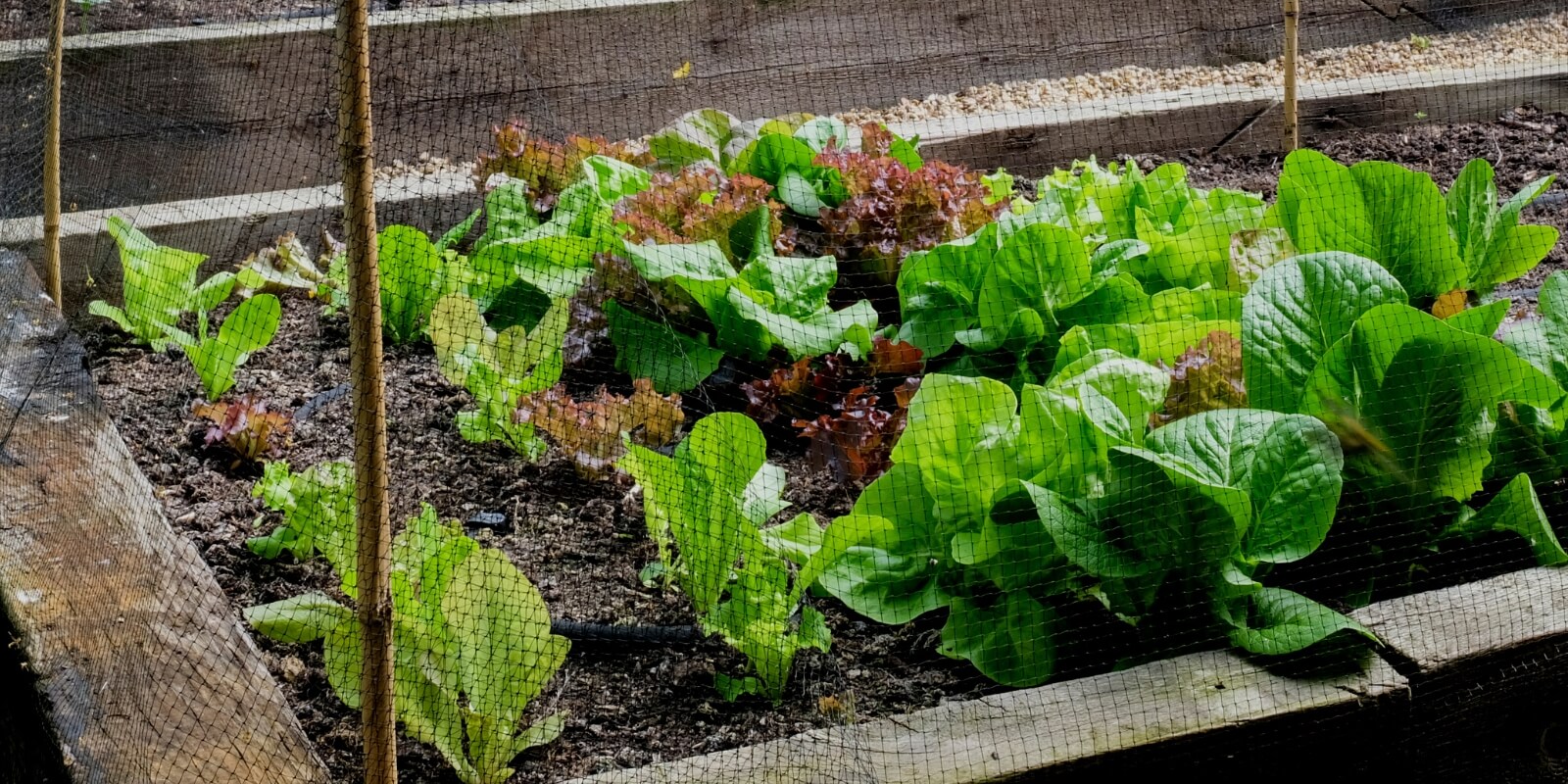
Step 1: Get Some Growing Space
You cannot grow vegetables without somewhere to grow them. Your options in the UK are:
- Your own garden – if you have a garden, even a small one, you already have a starting point. A raised bed in a corner of the garden is enough to grow a meaningful amount of food.
- Council allotment – the traditional route, but expect a waiting list of several years in most urban areas.
- Private garden plot – platforms like AllotMe connect you with local garden owners who have growing space available to rent now. No waiting list.
- Community garden – many cities have community growing spaces that welcome beginners.
Whatever route you take, do not wait until you have the perfect setup. A few pots on a balcony is enough to start learning while you wait for a plot.
Step 2: Start With Easy Crops
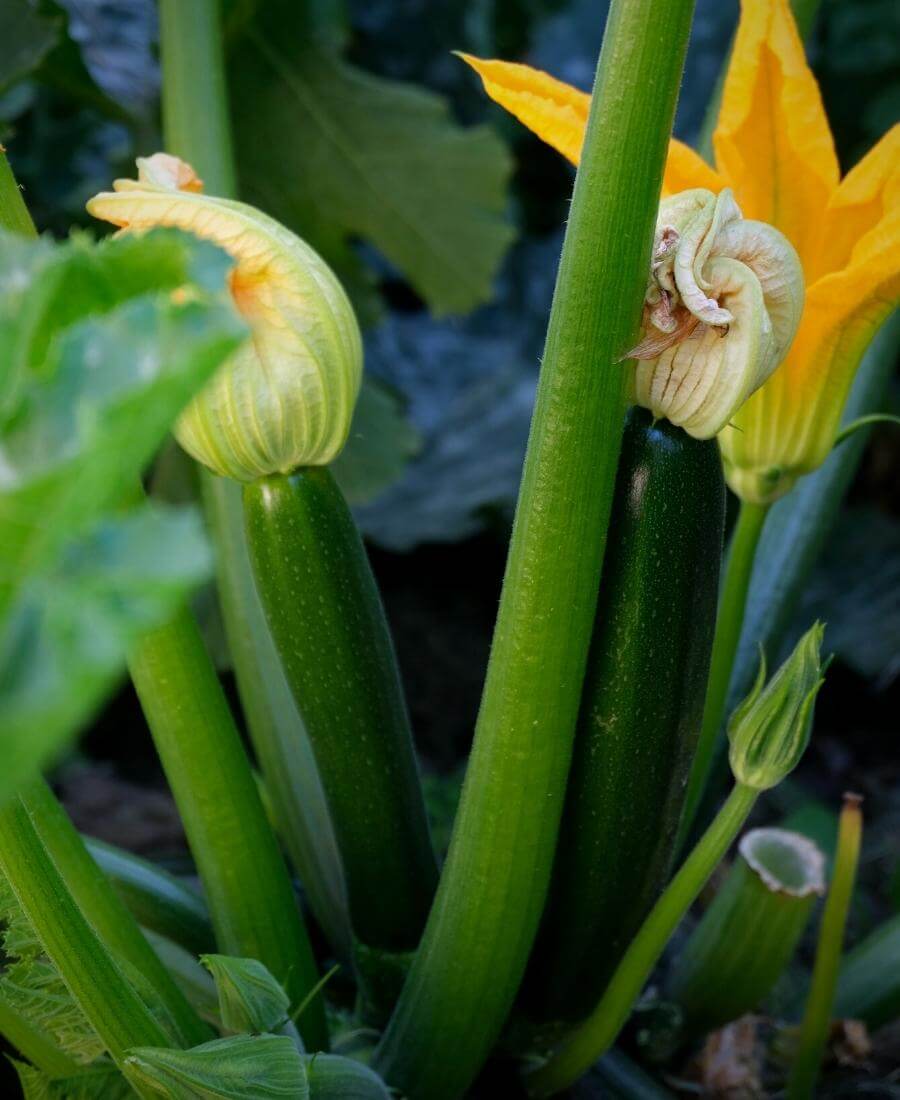
As a beginner, pick crops that are forgiving and quick to reward you. The worst thing for a new grower is putting in effort and getting nothing back. These crops are reliably easy:
- Courgettes – almost impossible to fail with. One plant will produce more courgettes than you can eat.
- Salad leaves – fast-growing and you can start harvesting within weeks of sowing.
- Radishes – the fastest crop you can grow, ready in as little as four weeks.
- French beans – reliable, productive, and very satisfying to pick.
- Tomatoes – slightly more work, but the taste of a home-grown tomato is one of the best arguments for growing your own.
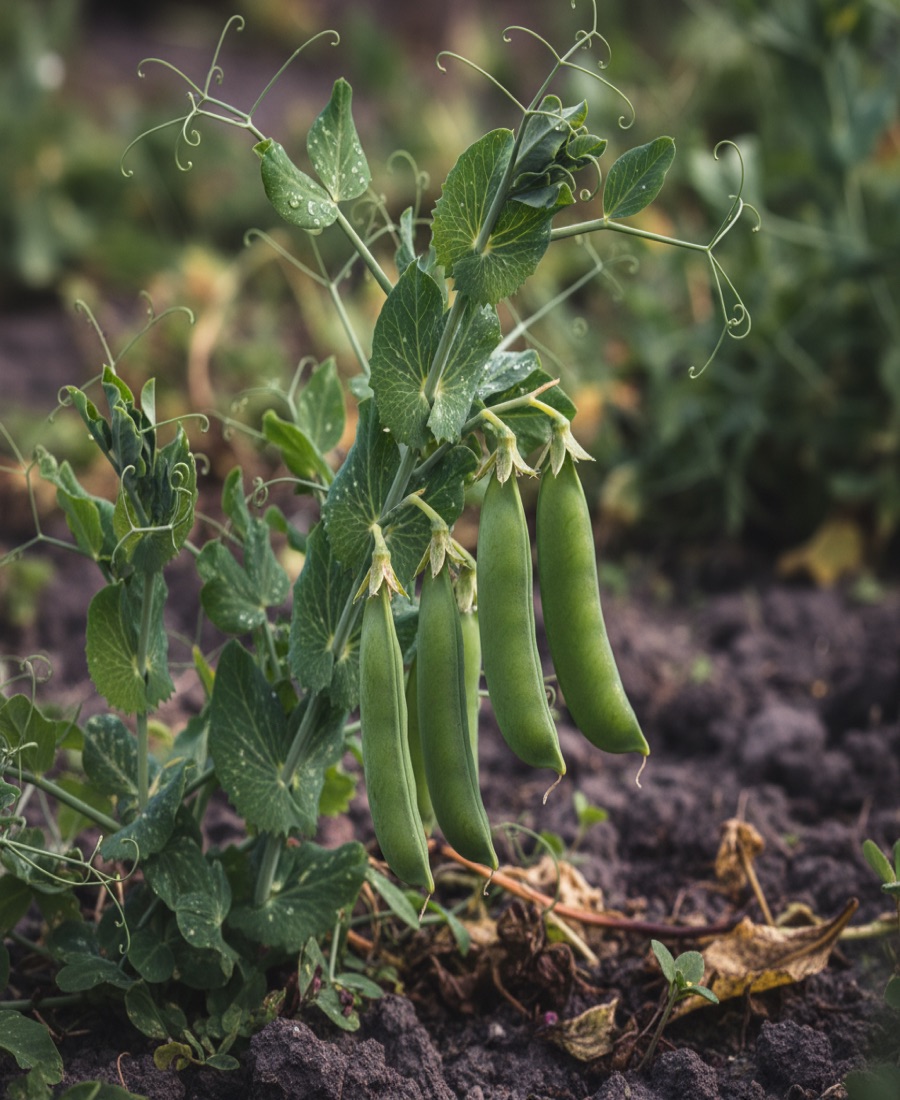
- Peas – children love to eat them straight from the pod, and adults are not far behind.
- Herbs – basil, chives, parsley, and mint are easy to grow and used constantly in the kitchen.
Avoid over-ambitious crops in your first year. Parsnips, celeriac, and onions from seed are all perfectly achievable, but save them for year two when you have more confidence.
Step 3: Understand the Basics of Sowing
Most vegetables are grown from seed. You have two main options:
- Sow direct – put the seed straight into the ground where the plant will grow. Good for root vegetables like carrots and beetroot, which do not like being transplanted.
- Sow indoors and transplant – start seeds in trays or pots inside, then move the young plants outside once they are established. Good for tomatoes, peppers, and anything that benefits from an early start before the last frost.
Always check the seed packet for sowing times. The UK's last frost date varies by region, but a good rule of thumb is to avoid putting tender plants outside before mid-May in most of England, and mid-June in Scotland and exposed northern areas.
Step 4: Feed and Water
Plants need water and nutrients to grow. Here is the beginner-friendly version:
- Water deeply and less frequently – this encourages roots to grow down rather than spreading near the surface. Once or twice a week in dry weather is usually enough for established plants.
- Mulch to retain moisture – a layer of compost or wood chip around your plants will keep the soil moist for longer and suppress weeds at the same time.
- Feed heavy feeders – tomatoes, courgettes, and squash will benefit from a regular liquid feed (a high-potash fertiliser like tomato feed) once they start flowering.
- Compost everything you can – a compost bin or heap turns your kitchen and garden waste into free, brilliant plant food. Start one in your first year and thank yourself in year two.
Step 5: Do Not Fear Pests and Disease
Every grower deals with pests and disease. It is a normal part of growing, not a sign of failure. Common problems and simple solutions:
- Slugs and snails – the number one enemy of seedlings. Use copper tape around pots, go out at night with a torch and remove them by hand, or try organic slug pellets. Read our full guide on deterring slugs and snails.
- Aphids (greenfly/blackfly) – spray with a diluted washing-up liquid solution or blast them off with water. Encourage ladybirds, which eat them voraciously.
- Cabbage white caterpillars – check the underside of brassica leaves regularly and remove eggs and caterpillars by hand. Net your brassicas as a preventative measure.
- Blight on tomatoes and potatoes – a fungal disease that spreads in warm, wet weather. Remove and dispose of (do not compost) affected leaves promptly.
Step 6: Keep a Growing Diary
A simple notebook recording what you sowed, when, what worked, and what did not is one of the most valuable things you can do as a beginner. Growing is a long game and your memory of what happened in May will be hazy by November. A diary closes that loop and makes you a better grower year on year.
Ready to Find a Plot?
If you do not yet have somewhere to grow, AllotMe can help you find a private garden plot near you. No waiting list. Browse available spaces, message a Host, and start growing this season.
Once you have your plot sorted, our growing guides cover every major crop in detail, including when to sow, how to grow, and when to harvest.