
Not everyone starts with a full-sized allotment. Many growers, especially those renting a private garden plot in a city, are working with a relatively small area. The good news is that with the right techniques, a modest space can be surprisingly productive.
Here is how to make every square metre count.
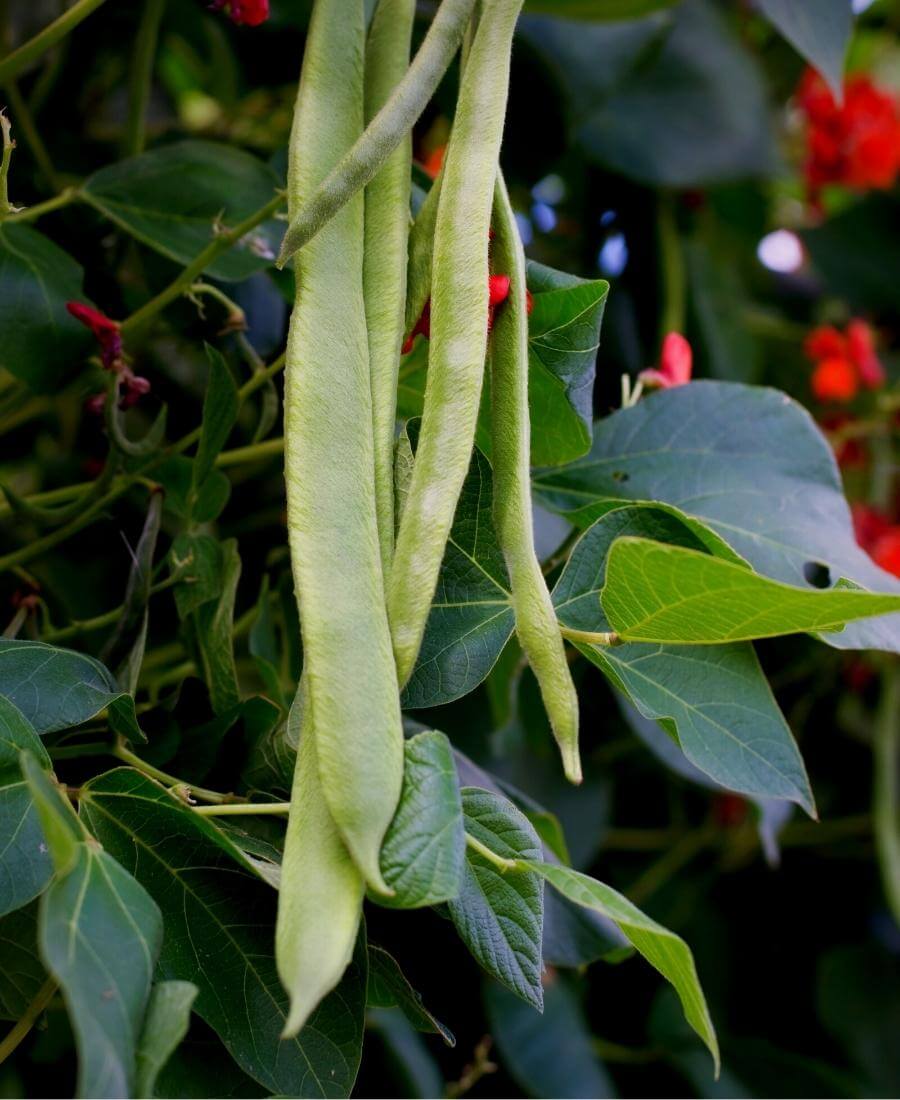
1. Grow Vertically
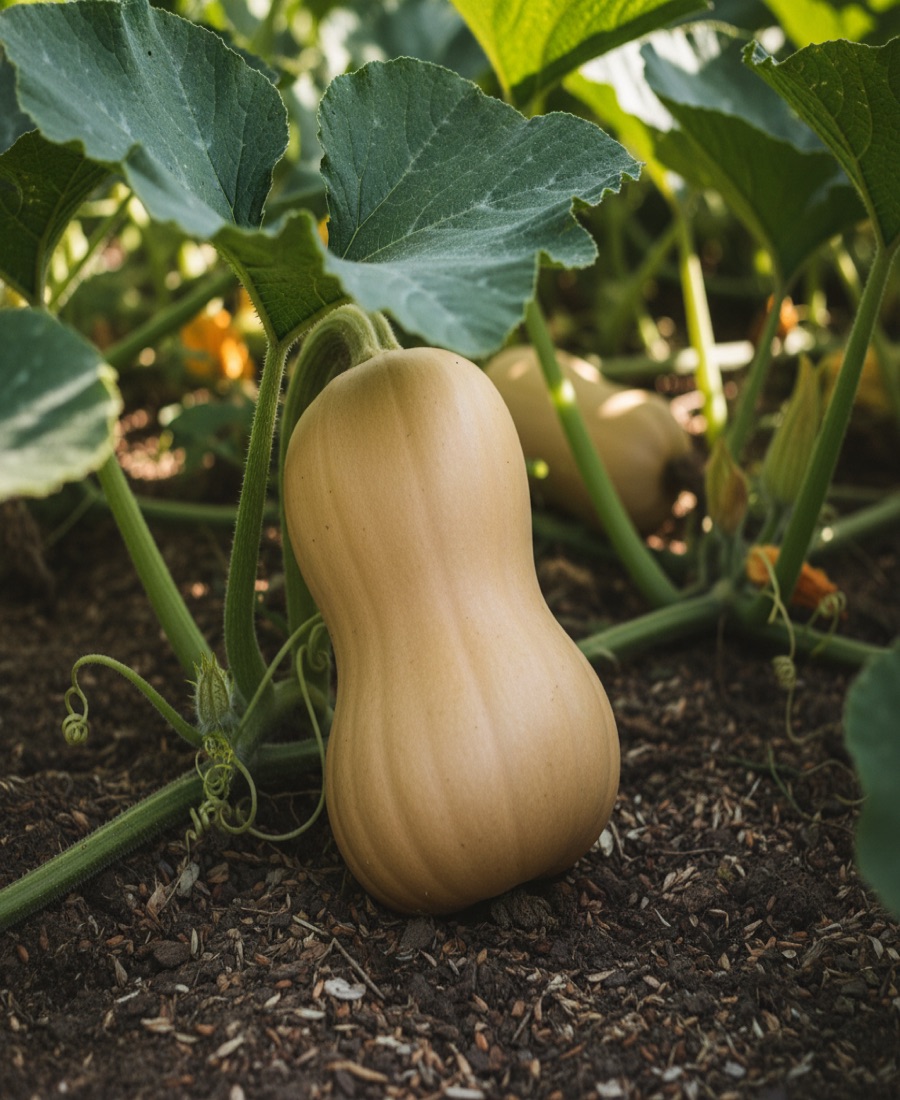
Most growers think in two dimensions. Think in three. Climbing plants take up very little ground space relative to the amount they produce. Train these crops upwards on canes, trellis, or netting:
- Runner beans and French climbing beans
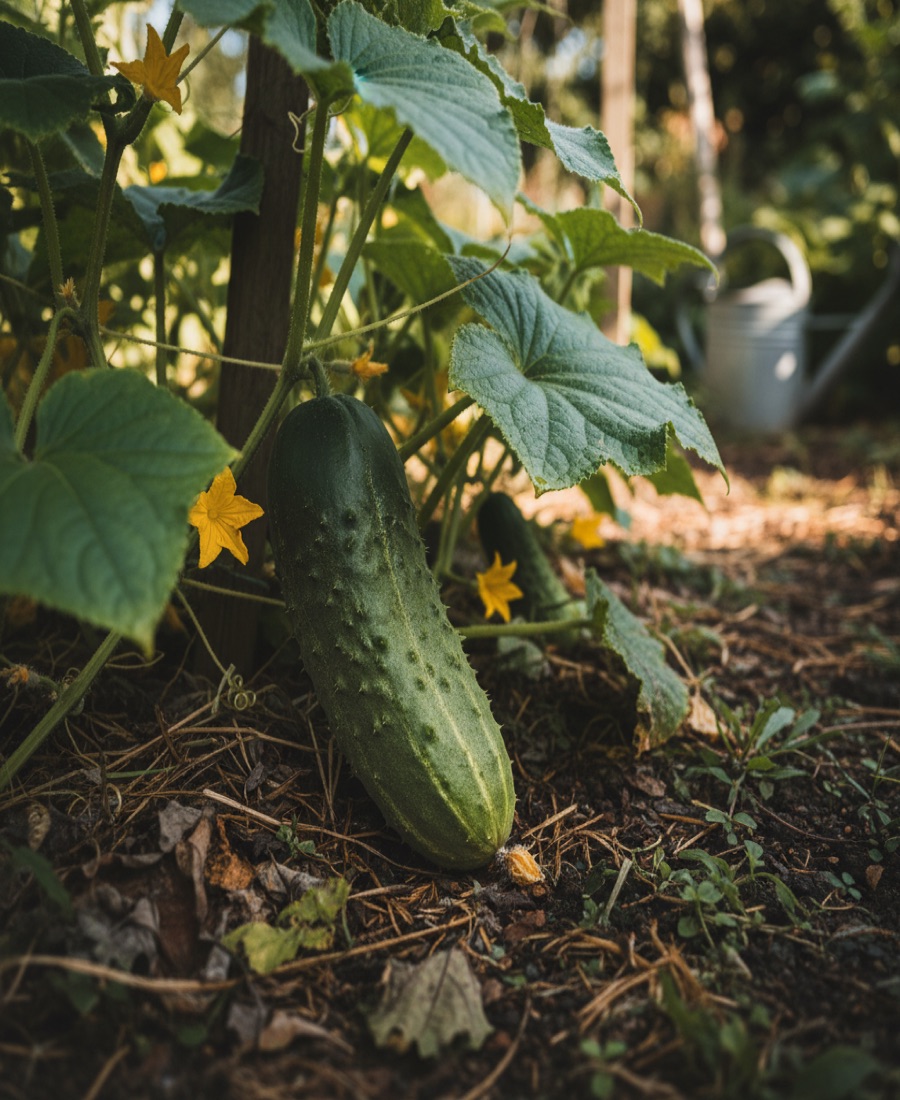
- Cucumbers
- Peas
- Squash and courgettes (with support)
- Tomatoes (cordon varieties on a single stem)
A wigwam of canes in a 60cm square can produce an enormous harvest of runner beans through summer and autumn.
2. Succession Sow
One of the biggest mistakes beginners make is sowing everything at once and then having nothing left to sow for the rest of the season. Succession sowing means sowing small amounts of the same crop every two to three weeks, so you have a continuous supply rather than one massive glut.
This works especially well for:
- Salad leaves and lettuce
- Radishes
- Spring onions
- Beetroot
- Spinach
3. Interplant Fast and Slow Crops
Some crops take months to mature (parsnips, leeks, Brussels sprouts). While they are establishing, the ground around them is largely empty. Fill that space with fast-growing crops that will be harvested before the slower ones need the room.
Classic combinations:
- Radishes or salad leaves between rows of parsnips or carrots
- Lettuce around the base of brassicas before they spread
- Spring onions between slower-growing leeks
4. Choose High-Yielding Varieties
Seed catalogues list expected yields, and the differences between varieties can be significant. For a small plot, prioritise:
- Cut-and-come-again crops like loose-leaf lettuce, spinach, and chard, which regrow after cutting rather than giving a single harvest
- Prolific producers like courgettes, which will give you more than you can use from a single plant
- Compact varieties bred specifically for small spaces, such as dwarf peas and bush tomatoes
5. Do Not Waste Edge Space
The edges of beds, paths, and borders are often left bare. Use them:
- Plant low-growing herbs like thyme and chives along path edges
- Use the base of taller plants for shade-tolerant crops like lettuce and spinach
- Hang baskets or add container pots at the edges of your space for strawberries or tumbling tomatoes
6. Improve Your Soil
Better soil means more productive plants in the same space. Adding compost or well-rotted manure to your beds every season improves drainage, water retention, and nutrient availability all at once. The effort put into soil health has a compounding return over multiple years.
7. Keep Records
Knowing what worked in your specific space last year is invaluable. Note where you planted what, how well it performed, and what you would do differently. Crop rotation also matters in a small space: avoid growing the same family of plants in the same spot in consecutive years to reduce disease and pest build-up.
Looking for More Growing Space?
If you have outgrown your current setup or are looking for your first plot, AllotMe connects you with private garden owners across the UK who have outdoor growing space available to rent. No waiting list.
You can also find crop-specific advice in our growing guides, covering everything from tomatoes and courgettes to kale and carrots.