
There is no better argument for growing your own food than the taste of a home-grown tomato. The supermarket versions, grown for shelf life and uniformity, bear little resemblance to a tomato picked warm from the vine in August. Once you have grown your own, you will not want to go back.
Tomatoes in the UK need a little more attention than some crops because our summers are unpredictable. But with the right approach, anyone with a sunny spot and some patience can grow a fantastic crop.
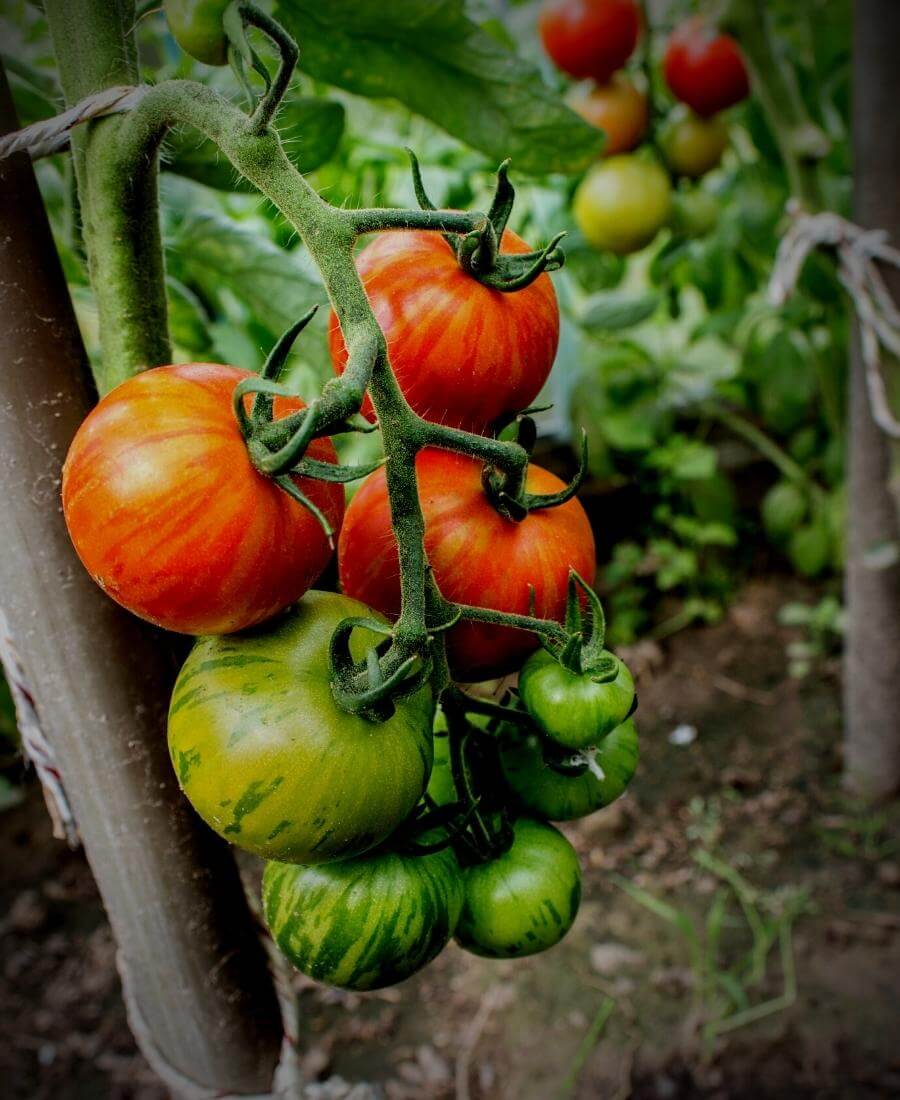
Choosing Which Tomatoes to Grow
There are two main growth habits to understand:
- Cordon (indeterminate) tomatoes grow as a single vertical stem that you train upwards. They produce fruit all season but need regular pinching out of sideshoots. Varieties include Gardener's Delight, Sungold, Alicante, and Moneymaker.
- Bush (determinate) tomatoes grow into a compact bush shape and do not need sideshoots removed. They tend to produce all their fruit at once and are better suited to containers or outdoor growing. Varieties include Tumbling Tom, Red Alert, and Tornado.
For outdoors in the UK, choose varieties described as suitable for outdoor growing or bred for cooler climates. Sungold (a cordon cherry tomato) is one of the most reliably productive and delicious varieties you can grow in the UK.
When to Sow Tomatoes in the UK
Sow tomatoes indoors between late February and mid-April. Sowing too early (before February) gives you plants that become large and pot-bound before it is warm enough to plant them outside. Sowing after April shortens the season too much for a good harvest.
March is the sweet spot for most UK growers.
How to Sow
- Fill a small pot or seed tray with good-quality seed compost.
- Sow seeds about 5mm deep, two or three per small pot.
- Water gently, cover with a clear propagator lid or cling film, and place somewhere warm (ideally 18 to 25°C). A windowsill above a radiator works well.
- Seeds typically germinate in 5 to 10 days.
- Once seedlings emerge, remove the cover and move to the brightest windowsill you have.
- When seedlings have two true leaves, pot them on individually into 9cm pots using multipurpose compost.
Hardening Off and Planting Out
Tomatoes are frost-sensitive and cannot go outside until all risk of frost has passed. In the UK, this means:
- Southern England: mid to late May
- Midlands and North: late May to early June
- Scotland: early to mid June
Before planting out, harden off your plants over 7 to 10 days. Put them outside in a sheltered spot during the day and bring them back in at night. This acclimatises them to outdoor temperatures and wind.
Plant into grow bags, large containers (at least 30cm diameter), or open ground in the warmest, most sheltered and sunniest spot you have. A south-facing wall is ideal. Plant deeply: bury the stem up to the lowest leaves and roots will form along the buried stem, giving a stronger plant.
Supporting Cordon Tomatoes
Cordon varieties must be supported as they grow. Push a strong cane (at least 1.2m) next to each plant at planting time and tie the main stem to it loosely as it grows. Remove all sideshoots (the shoots that grow in the joint between the main stem and a leaf stem) when they are small, leaving just the single main stem.
Feeding and Watering
Tomatoes are hungry and thirsty plants. Inconsistent watering is the most common cause of problems.
- Water regularly and deeply. In warm weather, outdoor tomatoes may need watering daily. Inconsistent watering (dry then waterlogged) causes the fruit to split and leads to a condition called blossom end rot.
- Start feeding once the first flowers appear. Use a high-potash liquid feed (tomato feed) every week until the end of the season. This promotes fruiting rather than leafy growth.
- Mulch around the base of outdoor plants to retain moisture and reduce watering frequency.
Pinching Out the Top
When your cordon plant has set four or five trusses of fruit (clusters of tomatoes), pinch out the growing tip at the top of the plant. This stops the plant putting energy into new growth and directs it into ripening the existing fruit before the season ends. In the UK, do this by late July to early August.
Common Problems
- Blight – brown patches on leaves and stems, rapidly spreading. Common in warm, wet weather. Remove and bin (do not compost) affected material immediately. Choose blight-resistant varieties like Crimson Crush or Lizzano if blight is a regular problem in your area.
- Blossom end rot – black, sunken patch at the base of fruit. Caused by calcium deficiency, itself caused by irregular watering. Water more consistently.
- Split fruit – caused by irregular watering, particularly heavy rain after a dry spell. Harvest fruit as soon as it colours up rather than leaving it on the vine.
- Slow ripening – common in cool summers. Bring unripe fruit indoors to ripen on a warm windowsill. Do not put tomatoes in the fridge.
When to Harvest
Harvest when the fruit is fully coloured and gives slightly to gentle pressure. Do not wait for tomatoes to be completely soft. Pick regularly to encourage the plant to keep producing.
At the end of the season (early September onwards), harvest all remaining fruit including green ones. Green tomatoes will ripen on a warm windowsill, or can be made into green tomato chutney.
Grow More This Season
If you need more space to grow tomatoes and other vegetables, AllotMe connects you with private garden owners across the UK who have outdoor growing space to rent. No waiting list. Find a plot near you and start growing.
See also: how to grow more in a small space and our full growing guides library.