
Companion planting is the practice of growing two or more plants close together because they benefit each other. It is one of the oldest techniques in gardening, and while some of the wilder claims made about it need to be taken with a pinch of salt, there are well-established combinations that genuinely work and are widely used by experienced vegetable growers.
How Does Companion Planting Work?
The benefits work through several different mechanisms:
- Pest deterrence – strongly scented plants can mask the smell of crops that attract pests, confusing insects that rely on scent to find their target.
- Attracting beneficial insects – flowering companion plants draw in predatory insects (ladybirds, hoverflies, lacewings) that feed on common pests like aphids.
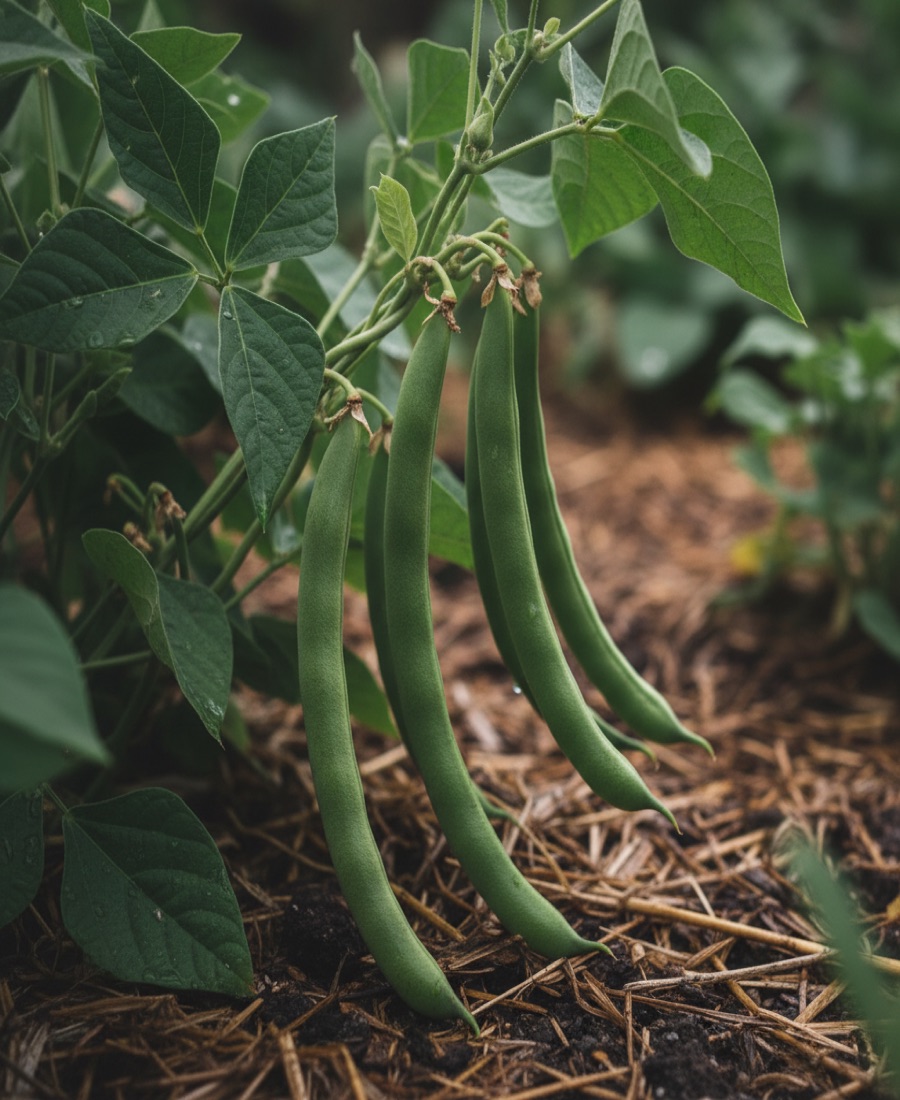
- Nitrogen fixation – legumes (peas and beans) add nitrogen to the soil via their roots, benefiting neighbouring plants.
- Physical benefits – tall plants can shade low-growing crops that prefer cooler conditions, while ground-cover plants can suppress weeds between taller crops.
- Pollination – flowering companions attract bees and other pollinators that also pollinate vegetable crops.
The Best Companion Planting Combinations for UK Gardens
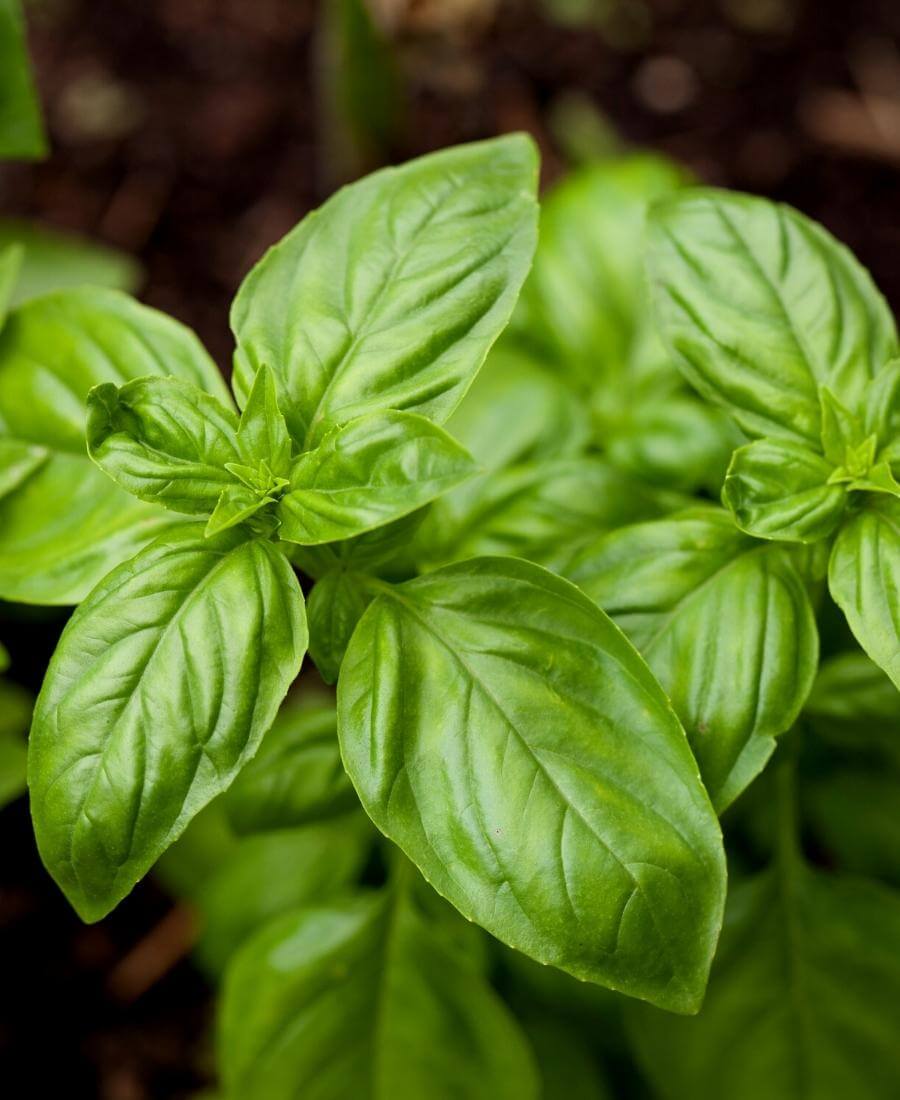
Tomatoes + Basil
One of the most famous pairings. Basil is said to repel aphids and whitefly from tomatoes, and many growers also swear it improves the flavour of nearby tomatoes (though this is harder to prove). At the very least, you will have fresh basil to hand when your tomatoes come in. Plant basil at the base of tomato plants.
Tomatoes + Marigolds (French marigolds)
French marigolds (Tagetes patula, not the larger African marigold) are widely regarded as one of the best companion plants available. Their roots produce a chemical that repels nematodes in the soil, and their strong scent deters whitefly and aphids. Plant generously around tomatoes and throughout the vegetable garden.
Carrots + Onions
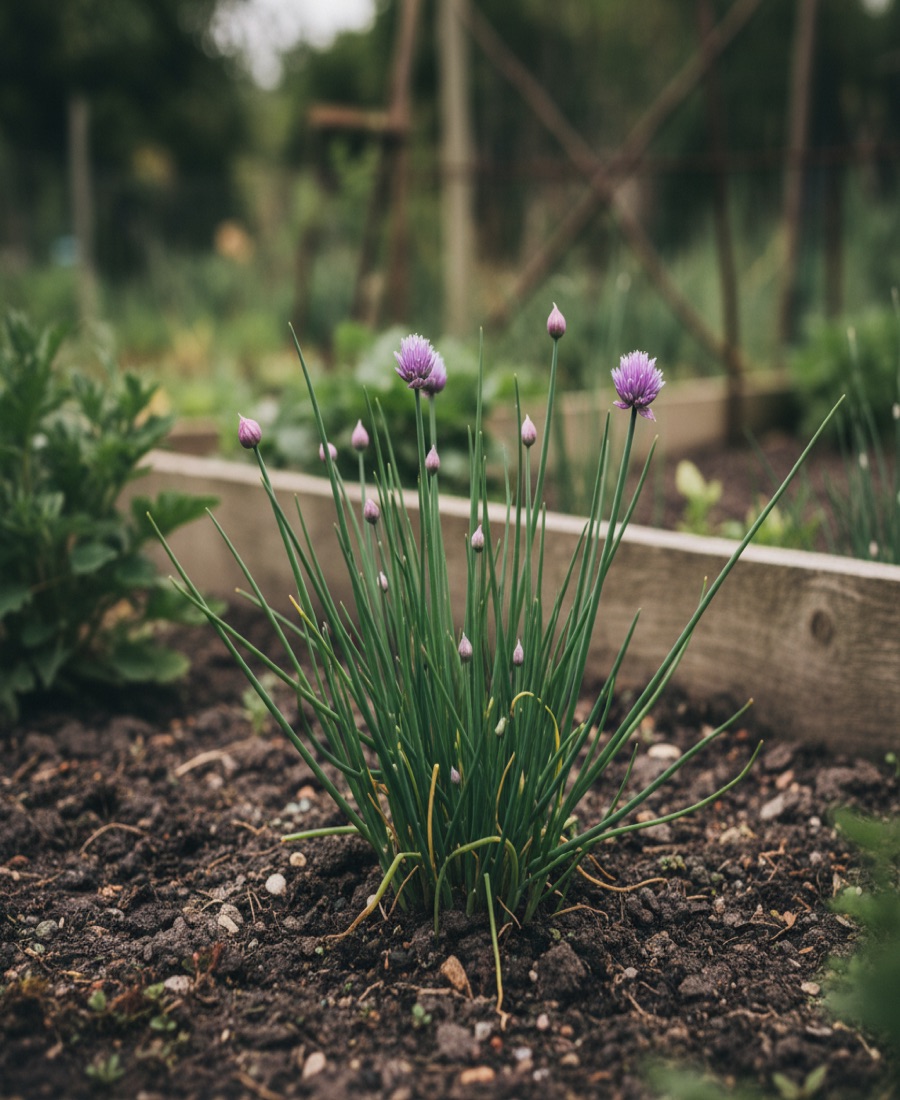
A classic pairing. Carrot fly and onion fly are both serious pests, but each is said to be deterred by the scent of the other's companion. Interplanting rows of carrots and onions or chives is a traditional way of reducing both problems. The evidence is not conclusive, but many growers find it helpful and it costs nothing to try.
Brassicas + Nasturtiums
Nasturtiums act as a trap crop for aphids: the aphids are strongly attracted to them and cluster on the nasturtiums rather than your cabbages and kale. You can then remove the nasturtium plants once they are infested, taking the aphid population with them. Plant nasturtiums around the edge of your brassica bed.
Beans + Squash + Sweetcorn (The Three Sisters)
A traditional Native American combination that works well in UK summers too. Sweetcorn provides a climbing frame for beans. Beans fix nitrogen that feeds the sweetcorn and squash. Squash sprawls across the ground, suppressing weeds and keeping the soil moist. The three plants use different layers of space and nutrients, making excellent use of a growing area.
Lettuce + Tall Crops
Lettuce and other salad leaves bolt (run to seed and become bitter) quickly in hot weather. Growing them in the partial shade of taller crops like tomatoes, beans, or sweetcorn extends their productive life into summer. Plant salad leaves at the base of tall plants on the north-facing side.
Peas + Spinach
Peas fix nitrogen and provide a light framework of support. Spinach and chard can be grown at their base, benefiting from the nitrogen and the partial shade the peas provide as the season warms up.
Roses + Garlic
Garlic planted around rose bushes is widely said to repel aphids. The strong scent of garlic is thought to deter the greenfly that are particularly attracted to roses. While primarily a flower garden technique, it is worth knowing if you grow both.
What Not to Grow Together
Some plants inhibit each other. These combinations are worth avoiding:
- Onions and beans – onions and other alliums are said to stunt the growth of peas and beans. Keep them apart.
- Fennel and most vegetables – Florence fennel produces chemicals from its roots that inhibit the growth of many neighbouring plants. Give it its own space away from the main vegetable beds.
- Potatoes and tomatoes – they are in the same family (solanaceae) and share diseases, particularly blight. Growing them close together means a blight outbreak can spread rapidly between the two crops.
- Brassicas and brassicas – more a crop rotation issue than companion planting, but avoid growing brassicas in the same spot year after year.
Flowers That Belong in Every Vegetable Garden
Beyond specific pairings, there are flowers that benefit the whole vegetable garden by attracting beneficial insects:
- French marigolds – invaluable. Plant throughout the garden.
- Borage – attracts bees and is said to improve strawberry yields nearby. The flowers are also edible.
- Calendula (pot marigold) – attracts hoverflies and other beneficial insects. Edible petals.
- Sweet alyssum – a low-growing flower that attracts hoverflies whose larvae eat aphids.
- Phacelia – one of the best bee-attracting plants you can grow. Use as a green manure once it has flowered.
A Note on Evidence
Not all companion planting claims are backed by rigorous research. Treat the more extravagant claims with scepticism. The combinations with the strongest real-world evidence are marigolds as a general pest deterrent, legumes for nitrogen, and trap crops like nasturtiums. The others are low-risk to try and many experienced growers swear by them.
Find a Plot to Try These Techniques
If you want more space to experiment with companion planting and vegetable growing, AllotMe connects you with private garden owners across the UK who have plots available to rent now. See also our guides on crop rotation and growing tomatoes in the UK.