
Crop rotation is the practice of growing different types of vegetables in different parts of your plot each year, rather than growing the same crop in the same spot repeatedly. It is one of the most important habits you can build as a vegetable grower, and once you understand the basic principle, it is not complicated to put into practice.
Why Does Crop Rotation Matter?
There are two main reasons:
1. Preventing Disease Build-Up
Many plant diseases and pests live in the soil and are specific to particular plant families. If you grow the same crop (or crops from the same family) in the same spot year after year, disease and pest populations build up in that patch of soil. Rotating crops breaks the cycle by moving the host plant away, allowing the soil to recover.
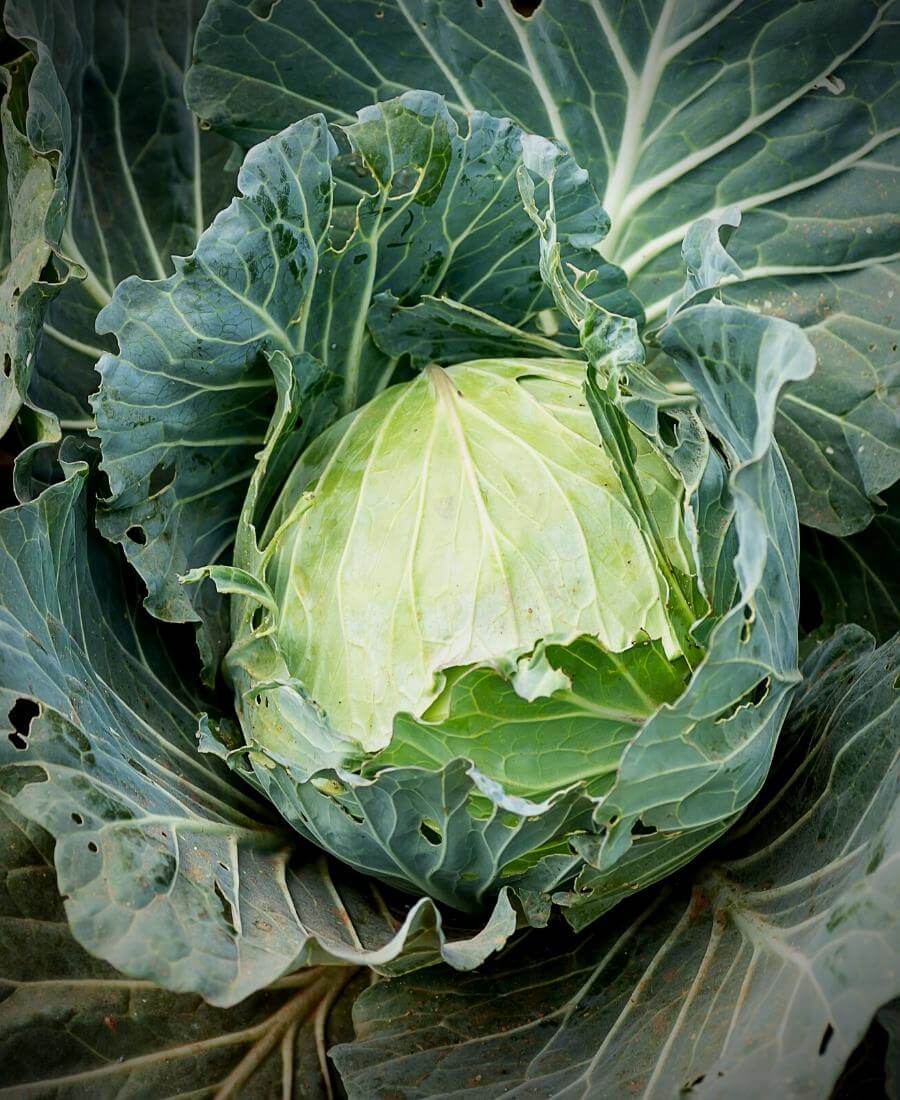
The clearest example is clubroot, a serious fungal disease of brassicas (cabbages, kale, broccoli, Brussels sprouts). Once clubroot is in your soil, it persists for many years. Rotating brassicas to a fresh patch each season helps keep it in check.
2. Managing Soil Nutrients
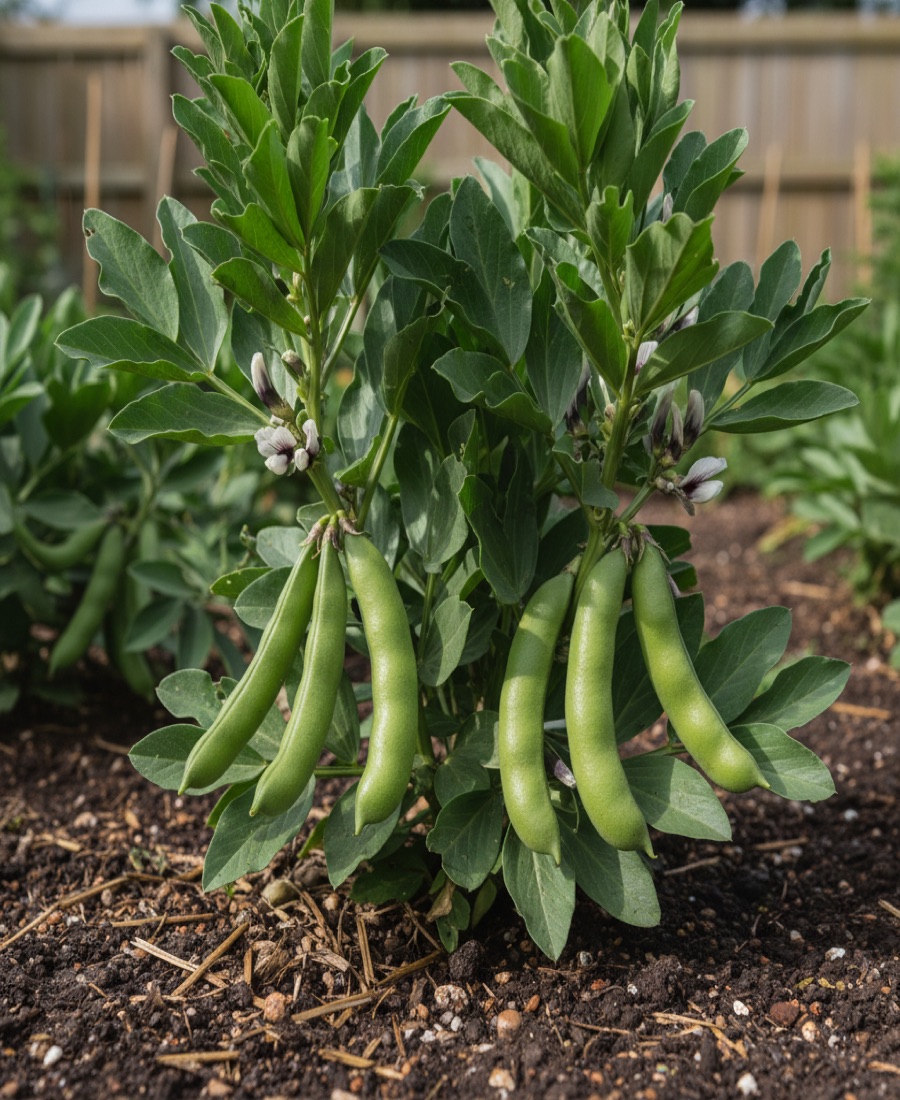
Different plant families take different nutrients from the soil and contribute differently to it. Legumes (peas and beans) fix nitrogen from the air into the soil via their roots, which benefits the crops that follow them. Root vegetables do well in soil that has not been freshly manured. Understanding these patterns allows you to plan a rotation that uses and replenishes nutrients efficiently.
The Four-Bed Rotation System

The most commonly used rotation for UK vegetable growers divides crops into four groups, each of which spends one year in each of four beds before rotating around. After four years, each bed has hosted each group once and the cycle repeats.
Group 1: Brassicas
Cabbages, kale, broccoli, Brussels sprouts, cauliflower, kohlrabi, turnips, swede, radishes, pak choi.
Soil needs: Add lime if needed (brassicas prefer a neutral to slightly alkaline soil pH). Firm soil is beneficial.
Group 2: Root Vegetables
Carrots, parsnips, beetroot, celeriac, celery, Florence fennel.
Soil needs: Do not add fresh manure before root crops as it causes the roots to fork. Grow in soil manured the previous season.
Group 3: Legumes (and onion family)
Peas, broad beans, French beans, runner beans, onions, shallots, garlic, leeks.
Soil needs: Legumes add nitrogen to the soil. The bed that follows legumes (usually brassicas) benefits from this nitrogen boost.
Group 4: Potatoes (and tomatoes)
Potatoes, tomatoes, peppers, aubergines, and courgettes/squash (often grouped here in practice).
Soil needs: Add plenty of well-rotted manure or compost before planting. Potatoes are heavy feeders and benefit from a rich soil.
The Rotation Cycle
Each year, each group moves to the next bed in the cycle:
| Year | Bed A | Bed B | Bed C | Bed D |
|---|---|---|---|---|
| Year 1 | Brassicas | Roots | Legumes | Potatoes |
| Year 2 | Roots | Legumes | Potatoes | Brassicas |
| Year 3 | Legumes | Potatoes | Brassicas | Roots |
| Year 4 | Potatoes | Brassicas | Roots | Legumes |
What About Crops That Do Not Fit Neatly?
Some crops are not included in the main rotation:
- Salad leaves and spinach – these are generally not prone to the same soil-borne diseases and can be fitted in wherever there is space.
- Sweetcorn – no significant rotation requirements. Slot it into whichever bed has space.
- Perennial vegetables – asparagus, rhubarb, artichokes, and perennial herbs have a permanent position outside the rotation. Give them their own dedicated bed.
- Courgettes and squash – technically in the cucurbit family, but most growers fit them in with the potato group in practice.
Does Crop Rotation Work on a Small Plot?
On a very small plot (a few raised beds), strict crop rotation is harder but still worth attempting. Even moving crops one bed along each year provides some benefit. The key crops to rotate are brassicas and potatoes, as these are most prone to soil-borne problems.
If you only have a single raised bed, focus on not growing the same crop family in the same spot in consecutive years, even if a full four-year rotation is not possible.
Getting Started
If you are just starting out, do not be put off by the detail. In your first year, just keep a note of what you grew where. In year two, move each group one bed along. You will build the habit naturally.
If you are still looking for growing space, AllotMe connects you with private garden owners across the UK who have plots available to rent now. See also our beginner's guide to growing your own and our guide to getting more from a small plot.