
Raised beds have become the default setup for many UK vegetable growers, and for good reason. They warm up faster in spring, drain better than most garden soil, are easier to manage and weed, and let you create ideal growing conditions regardless of the quality of the soil underneath. If you are starting out as a vegetable grower, a raised bed is one of the best investments you can make.
What is a Raised Bed?
A raised bed is simply a growing area where the soil level is raised above the surrounding ground, usually contained within wooden, brick, metal, or recycled plastic sides. Standard heights range from 15cm (for shallow-rooted crops) to 45cm or more (for deeper crops or where the soil below is very poor). Most growers opt for 20 to 30cm as a good all-round depth.
Advantages of Raised Beds
- Better drainage – important in the UK where waterlogged soil is a common problem in wet winters and springs.
- Warmer soil – raised beds warm up earlier in spring, which means you can sow and plant earlier and extend your season.
- No compaction – because you never walk on the bed, the soil stays loose and well-structured. This is particularly important for root crops like carrots and parsnips.
- Better weed control – a deep bed of good compost gives weeds less opportunity to establish than in open ground, and the clearly defined boundaries make it easier to stay on top of them.
- You can create the ideal soil – rather than working with whatever soil you have, you fill the bed with high-quality compost and soil mix.
- Easier on your back – a deeper raised bed (45cm or more) brings the growing surface higher, reducing the amount of bending required.
How to Build a Raised Bed
Size
The most important consideration is width. You should be able to reach the centre of the bed comfortably from either side without stepping on it. This means a maximum width of about 1.2m if you can access both sides, or 60cm if access is from one side only. Length can be whatever suits your space.
Materials
- Untreated softwood (2x6 or 2x8 inch timber) – the most common choice. Untreated pine or larch will last 5 to 10 years. Avoid pressure-treated wood if you can, particularly for food crops.
- Hardwood (oak, sweet chestnut) – much longer-lasting (20 years or more) but more expensive. Oak sleepers make beautiful and durable raised beds.
- Galvanised steel – increasingly popular. Durable, attractive, and does not rot. More expensive but will last decades.
- Recycled plastic lumber – long-lasting and made from recycled materials. Less attractive but very practical.
Construction
For a basic timber bed, cut your boards to length and screw them together at the corners. Corner posts (either internal or external) strengthen the structure significantly. No foundations are needed. Simply place the frame on the ground where you want it.
If your bed is on a lawn, lay cardboard over the grass before filling. This suppresses the grass and worms will eventually break it down.
What to Fill a Raised Bed With
This is where the real benefit of a raised bed comes from. Fill with a mix of:
- Topsoil – forms the bulk of the fill. Use good-quality topsoil, not the cheapest option. For a 30cm deep bed, topsoil forms the lower two-thirds.
- Garden compost or multi-purpose compost – mixed into the top third. Adds nutrients and improves structure.
- Well-rotted manure – if available, mix into the fill. Excellent for soil fertility.
A good starting ratio is roughly 50% topsoil, 30% compost, and 20% well-rotted manure or additional compost. For a 1.2m x 2.4m bed at 30cm depth, you will need approximately 0.85 cubic metres of fill.
Avoid filling entirely with compost or peat-free multipurpose compost. Pure compost compacts over time and can become waterlogged. Mixing with topsoil gives better long-term structure.
What to Grow in Raised Beds
Almost anything can be grown in a raised bed. Some crops particularly benefit:
- Carrots and parsnips – love the deep, loose, stone-free soil of a well-prepared raised bed. Can grow straight and long without forking.
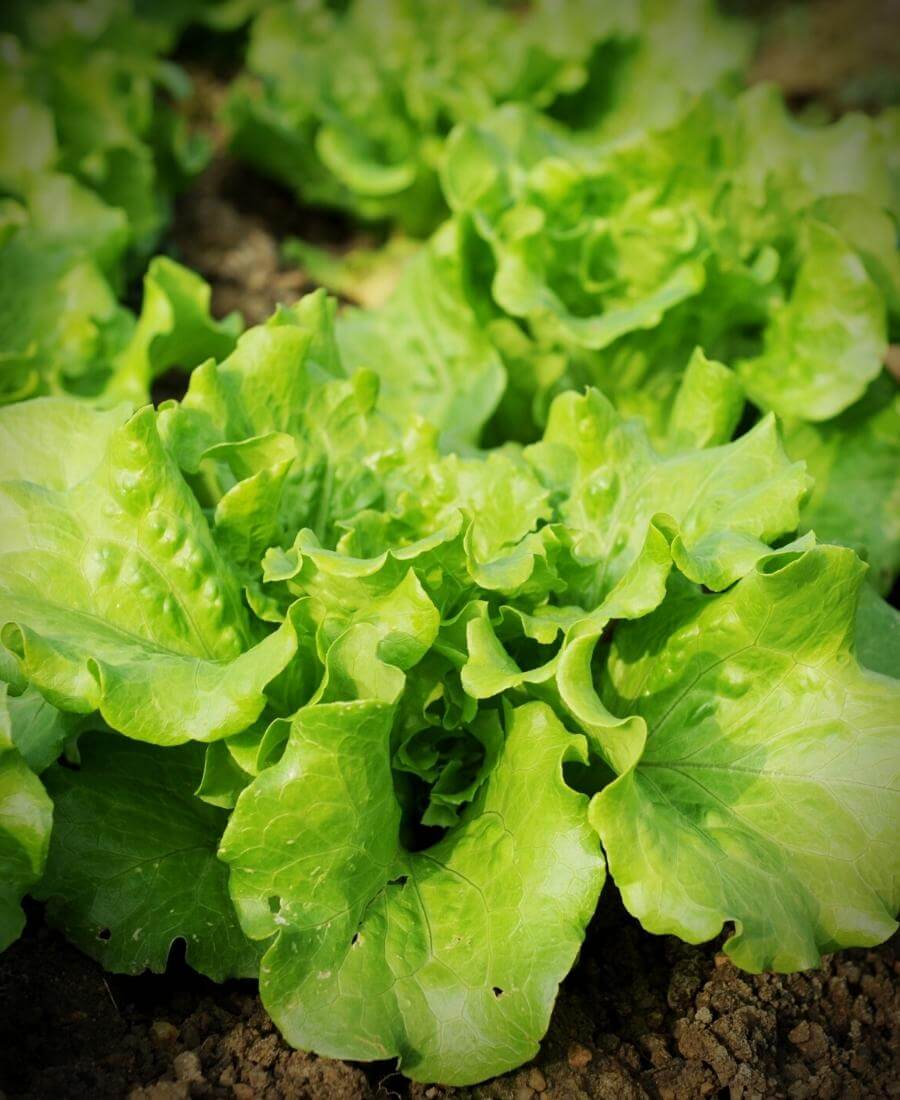
- Salad leaves and herbs – quick-growing and ideal for a small raised bed near the kitchen door.
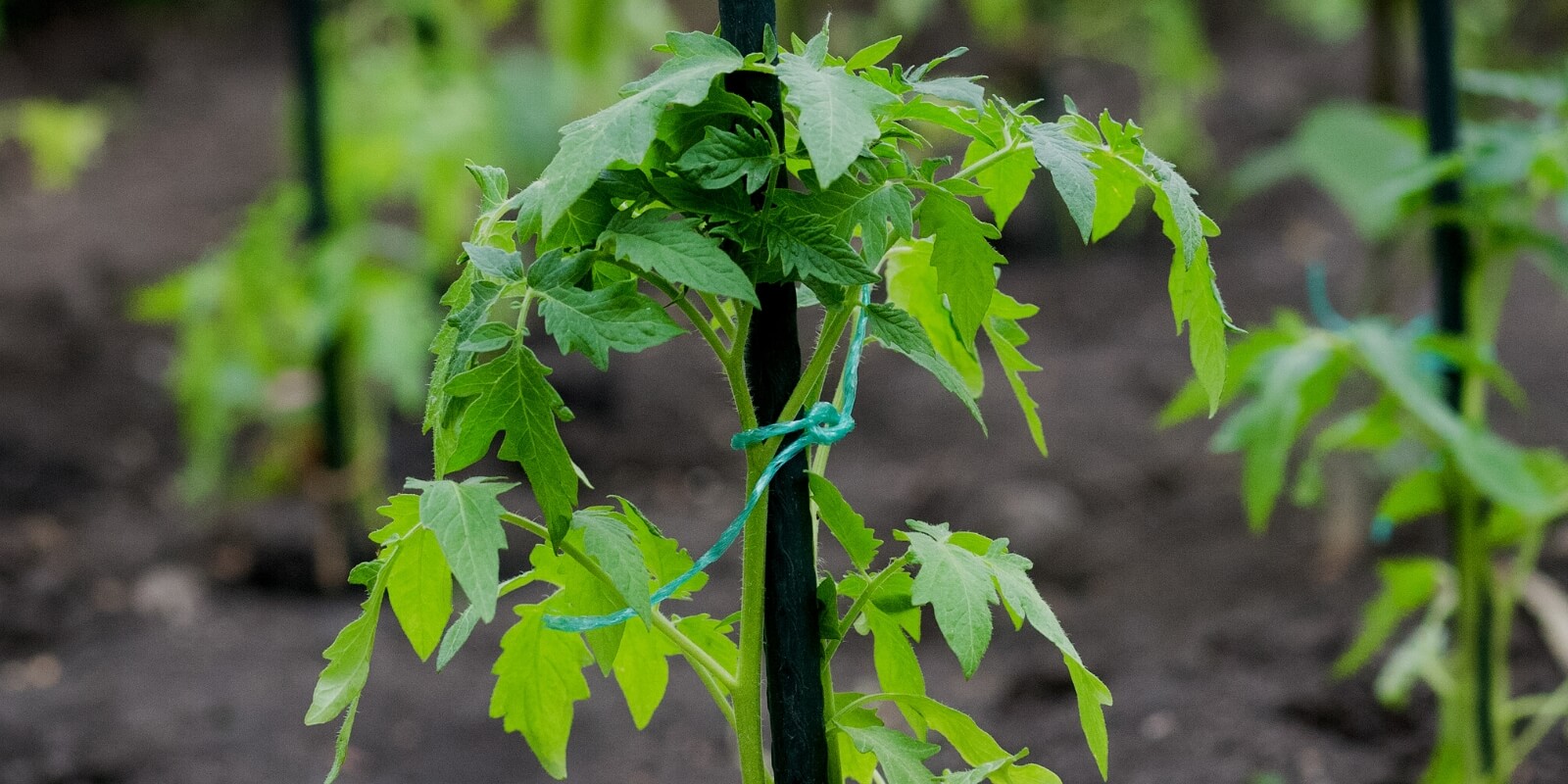
- Tomatoes – benefit from the warm, well-drained conditions.
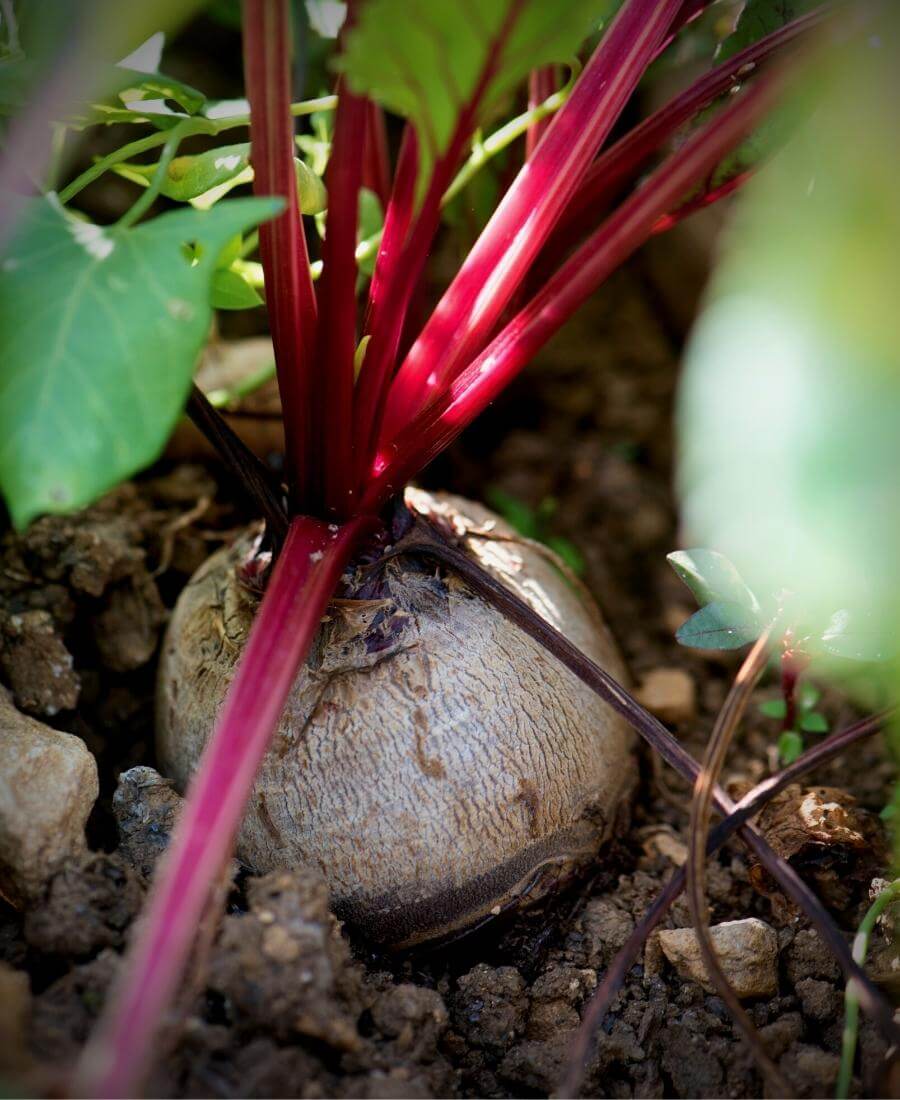
- Beetroot – easy and productive in raised beds.
- Strawberries – raised beds keep them off the ground, improving drainage and making picking easier.
Maintaining Your Raised Bed Year on Year
The key to maintaining a productive raised bed is adding organic matter every year. Each autumn, add a layer of compost or well-rotted manure to the surface. Over winter, worms will incorporate it into the soil. This replenishes nutrients and keeps the soil structure open and productive.
Because you never walk on the bed, you rarely need to dig it. Many growers use a no-dig approach, simply adding compost to the surface each year without disturbing the soil below. See our no-dig gardening guide for more on this approach.
Do Not Have a Plot Yet?
AllotMe connects you with private garden owners across the UK who have outdoor growing space available to rent. Many AllotMe plots already have raised beds in place. Search for available spaces near you and start growing this season.
See also: crop rotation for beginners and companion planting in the UK.